


Fire Truck Lighting Maintenance Schedule: Daily to Annual Checks
Table of Contents
- Why Fire Truck Lighting Maintenance Matters
- Daily Pre-Shift Fire Truck Lighting Inspection
- Fire Truck Warning Light Inspection: Testing Procedures
- Weekly and Monthly Lighting Checks
- Fire Truck LED Light Troubleshooting: Common Failures
- Fire Truck Lighting Inspection Checklist and Documentation
- Fire Truck Replacement Lights and Parts Selection
- Annual and Preventive Maintenance for Apparatus Readiness
- Frequently Asked Questions
Last Updated: October 12, 2026
Why Fire Truck Lighting Maintenance Matters
Fire truck lighting maintenance isn't optional. When emergency lights fail, scene lights don't work, or headlights dim, your crew loses visibility in critical moments, delayed response, safety risks, and liability.
A failed pump can be repaired in the bay; a failed light during a night rescue creates immediate danger.
At Traffic Safety System, we've worked with fire departments across multiple jurisdictions.
Daily Pre-Shift Fire Truck Lighting Inspection
The daily pre-shift check catches problems before the truck leaves the station. It takes 10-15 minutes per apparatus and prevents most roadside failures.
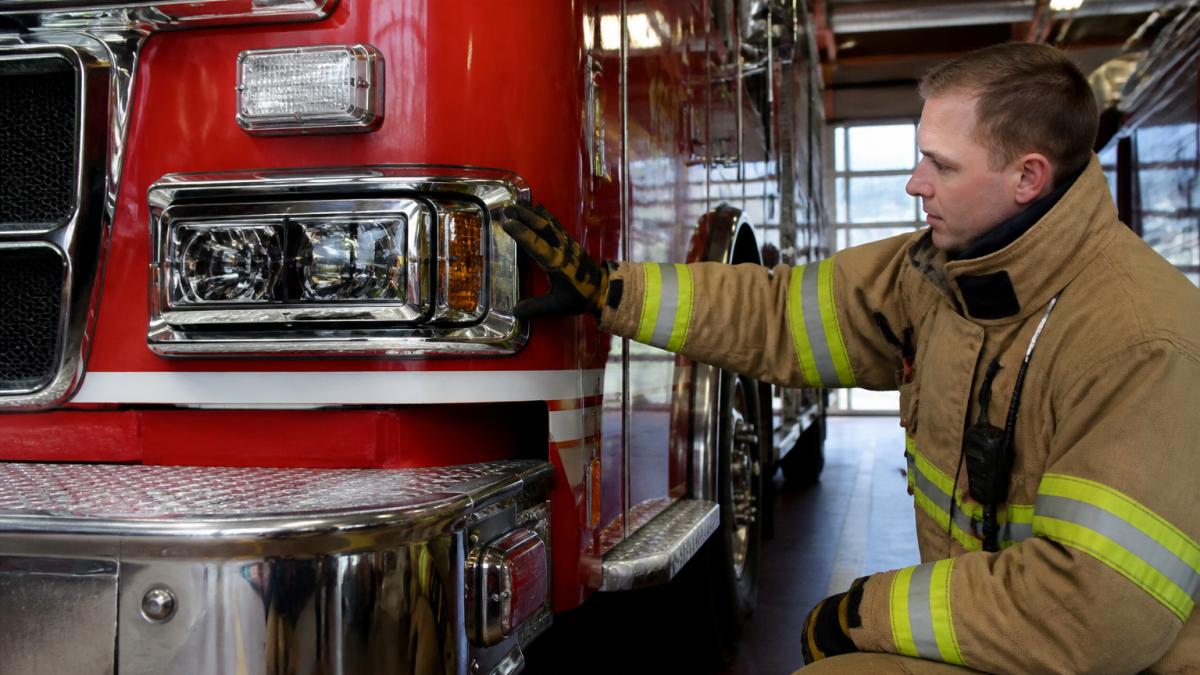
Walk around the truck and check every light head for cracks, corrosion, or loose mounts, water intrusion and salt spray damage are common.
Headlights and Taillights
Your headlights and taillights are the foundation of apparatus visibility. Turn on the headlights and step back.
Check lens condition. Traffic Safety System offers Replacement Tempered Glass for Focus and Evolution II light heads ($151.33) for scene lights.

Look for water inside the lens. Condensation in a sealed unit means the gasket is failing, note it for repair tracking.
Emergency Lights and Warning Lights
Emergency lights are the most visible part of your apparatus. Turn on the emergency light system. Watch the pattern.
Walk around the truck and check each light head individually, verifying rotators, flashers, and steady-burn lights all function.
Test the in-cab warning lights that tell your crew the system is active; if they don't illuminate, troubleshoot the electrical connection.
Scene Lights and Compartment Lights
Scene lights are critical for nighttime operations. Activate the system and check for dim or non-functional units.
Test compartment lights: open each equipment box and confirm the light is bright enough to work by.
Check light heads on poles or brackets: are they secure, and is there corrosion around the base? Vibration loosens mounts over time.
Fire Truck Warning Light Inspection: Testing Procedures
Weekly testing goes deeper than the daily check, verifying electrical function and documenting results. Set aside 30-45 minutes per apparatus for a thorough fire truck warning light inspection.
Visual Inspection of Light Heads
Remove dirt or debris from light heads with a soft brush or cloth, without scratching the lens.
Inspect the gasket around each light head. If it's cracked, compressed, or missing, water will corrode the bulb and reflector, replace it.
Check the bulb through the lens if possible. Darkening, burn marks, or discoloration mean it's approaching end of life.
For halogen bulbs, never touch the glass with bare hands, skin oils cause hot spots that shorten bulb life. Traffic Safety System stocks Bulbs, Focus, Optimum, Halogen Replacement ($82.32) for common apparatus configurations, including 1000-watt and 1500-watt options.

Functional Testing of Sirens and Intercom
The siren and intercom are part of your warning system. Test the siren. Does it sound at full volume?
Test the intercom: from inside the cab, activate the PA system and confirm it's audible from multiple positions around the apparatus.
Check all electrical connections to warning equipment. Corroded terminals reduce power and cause intermittent failures; clean them with a wire brush.
Weekly and Monthly Lighting Checks
Weekly and monthly checks build on the daily foundation, catching electrical issues and documenting trends before they become surprises.
30-Day Test Intervals
Every 30 days, test all lighting systems comprehensively: circuits under load, voltage drop, and rated performance.
Test emergency lights for 10 minutes continuously.
Activate all scene lights simultaneously. Dimming when multiple lights are on signals a power distribution issue.
Check battery voltage with the engine off.
Cleaning and Lens Inspection
Dirt and salt spray reduce light output significantly. Clean all exterior lenses monthly with a soft cloth and mild soap; avoid abrasive cleaners that scratch.
Inspect the lens for cracks, even small ones let water in and require replacement. Traffic Safety System offers Replacement Tempered Glass FRC Optimum light heads ($181.85) for Optimum scene lights, with tempered glass and new gasket included.

Check the reflector inside each light head. Corrosion or discoloration reduces output; a damaged reflector may mean replacing the whole head.
| Maintenance Task | Frequency | Time Required | What to Check |
|---|---|---|---|
| Headlight and taillight function | Daily | 5 minutes | Beam clarity, lens condition, water intrusion |
| Emergency light operation | Daily | 5 minutes | All lights pulsing, no dark units, steady function |
| Scene light activation | Daily | 3 minutes | Exterior lights on, brightness adequate |
| Compartment light function | Daily | 2 minutes | Interior lights activate, brightness sufficient |
| Siren and intercom test | Weekly | 10 minutes | Volume, audio clarity, speaker function |
| Comprehensive 30-day test | Monthly | 30 minutes | Voltage under load, sustained brightness, no dimming |
| Lens cleaning | Monthly | 15 minutes | Dirt removal, crack inspection, reflector condition |
| Electrical connection inspection | Monthly | 10 minutes | Corrosion check, terminal tightness, no loose wires |
Fire Truck LED Light Troubleshooting: Common Failures
Knowing how to diagnose problems prevents extended downtime. Most lighting failures fall into three categories.
Dim or Flickering Lights
Dim or flickering lights usually indicate a power problem, not a bulb failure.
Low voltage usually means a corroded connection or undersized wire.
Check battery voltage with the engine running: 13.5-14.5 volts for 12-volt systems, 27-28 for 24-volt. Lower voltage indicates a charging problem.
Test the light with the engine running versus off.
Complete Light Outages
A light that won't turn on requires systematic troubleshooting. Start with power: check voltage at the light connector with a multimeter.
Bulbs, Focus, Optimum, Halogen Replacement →
If voltage is present, the bulb or light head has failed. For halogen, replace the bulb first; for LED, the entire head may need replacement if the array has failed.
Check the switch, listening for a relay click.
Water Intrusion and Corrosion
Water inside a light head causes corrosion and electrical failure, starting with a failed gasket or cracked lens. Prevention beats repair.
If you find water inside a light head, remove it from service immediately, dry the interior completely, and replace the gasket and lens. For FRC light heads these come as a kit; Traffic Safety System stocks replacement glass and gasket kits for most common apparatus configurations.
Corrosion on terminals and connectors reduces conductivity.
Salt spray accelerates corrosion. If your apparatus runs in coastal or winter road-salt conditions, inspect electrical connections monthly and clean and lubricate them every 30 days.
Fire Truck Lighting Inspection Checklist and Documentation
Documentation proves maintenance happened and serves as an early warning system: patterns in records reveal systemic problems before they cause failures.
Creating Your Inspection Record
Use a standardized form to spot trends: if the same light fails repeatedly, it's a component problem, not a random failure.
Record bulb replacement dates and operating hours.
Document repairs and adjustments, what, when, and by whom. This history is valuable when troubleshooting recurring problems.
Defect Escalation and Repair Tracking
Not every defect requires immediate repair. Prioritize by urgency.
Critical defects (repair immediately):
- Complete light outages affecting visibility
- Failed emergency lights
- Broken lens allowing water intrusion
- Electrical hazards (exposed wires, corrosion causing sparks)
High-priority defects (repair within one week):
- Dim lights reducing visibility by more than 25 percent
- Flickering lights indicating electrical problems
- Corroded connections that could worsen
- Failed compartment lights
Routine defects (repair during scheduled maintenance):
- Minor lens cloudiness that doesn't significantly reduce output
- Loose light mounts that don't affect function
- Cosmetic damage with no functional impact
When a defect is identified, log it, assign a priority level, track the repair date, and document what was done and by whom. This creates accountability and a clear maintenance history.
Fire Truck Replacement Lights and Parts Selection
The right replacement depends on your budget, apparatus configuration, and operational environment.
Halogen vs. HID vs. LED Technology
Halogen bulbs are the traditional choice: affordable, compatible with existing electrical systems, and durable, producing warm white light but significant heat. They last 500-1000 operating hours.
HID (High Intensity Discharge) bulbs produce brighter, daylight-like white light, are more efficient than halogen, and last longer.
LED lights are the newest option: most efficient, excellent light quality, and longest lasting (5000+ hours typical).
Sourcing OEM and Aftermarket Parts
OEM (Original Equipment Manufacturer) parts are made by the apparatus manufacturer, fit perfectly, and maintain warranty coverage, but cost more than aftermarket alternatives.
Aftermarket parts come from third-party manufacturers. They're usually cheaper but vary in quality, some are excellent, others fail quickly.
When sourcing parts, verify compatibility with your specific light head model, a bulb that fits one model may not work in another.
Traffic Safety System provides OEM replacement parts for common apparatus configurations. Bulbs, Focus, Optimum, Halogen Replacement ($82.32) covers 1000-watt and 1500-watt options for Focus, Optimum, and NightMaster lampheads. We also stock Replacement Tempered Glass for Focus and Evolution II light heads ($151.33) and FRC Swivel Joint mount Repair for light heads ($141.93).
Annual and Preventive Maintenance for Apparatus Readiness
Annual testing is your comprehensive check: verify standards compliance, plan replacement cycles, and ensure the fleet meets operational requirements.
NFPA Standards and DOT Compliance
The National Fire Protection Association (NFPA) sets apparatus standards. NFPA 1901 covers design and equipment, including lighting systems, emergency lights, and warning equipment.
The Department of Transportation (DOT) sets federal vehicle lighting standards.
During annual maintenance, verify and document compliance with NFPA 1901 and DOT requirements. This protects your department and keeps equipment safe and legal.
Planning Replacement Cycles Based on Operating Hours and Mileage
Bulbs fail on operating hours, not calendar time.
A typical apparatus runs 250-500 hours per year. At 500 hours annually, a halogen bulb lasts 1-2 years; plan accordingly.
Track mileage too. Vibration and road conditions affect durability, so units running 10,000-20,000 miles per year need more frequent inspections.
Create a replacement schedule from actual usage.
Frequently Asked Questions
How often should fire truck lights be inspected?
Daily pre-shift inspections are essential for emergency vehicle safety. Perform functional tests of all warning lights, headlights, taillights, and scene lights before each shift. Weekly visual inspections of lens condition and electrical connections are recommended. Monthly deep checks of all lighting systems, including 30-day test intervals mandated by NFPA standards, ensure apparatus readiness. Annual comprehensive testing and DOT compliance verification should be documented in your maintenance records.
What should be included in a fire truck lighting inspection checklist?
Your fire truck lighting inspection checklist must cover headlights and taillights for brightness and alignment, emergency lights and warning lights for color and function, scene lights and compartment lights for operation, sirens and intercom systems for audio output, and electrical equipment connections for corrosion or loose wiring. Include visual checks for cracked lenses, water intrusion, and physical damage to light heads. Document the inspection date, technician name, any defects found, and whether the apparatus is cleared for operational use or requires repair.
What causes fire truck LED lights to fail?
Common LED light failures include water intrusion through damaged gaskets or seals, causing corrosion of electrical connections. Vibration from rough terrain and constant apparatus movement can loosen wiring and cause intermittent failures. Extreme temperature fluctuations in harsh environments stress solder joints and circuit boards. Electrical surges from improper wiring or battery issues damage LED modules. Salt spray and chemical exposure accelerate corrosion of metal components. Regular cleaning and lens inspection help prevent environmental damage; replacement tempered glass kits and swivel joint repairs address common wear points.
When should fire truck lights be repaired or replaced?
Replace lights immediately if they fail functional tests during pre-shift or daily inspections, a non-operational warning light compromises apparatus readiness and may violate DOT regulations. Schedule repairs for dim, flickering, or discolored lights within one week. Replace cracked or cloudy lenses promptly to maintain light output and prevent water intrusion. Bulb replacement depends on operating hours: halogen bulbs typically last 500 to 1000 operating hours, while HID and LED sources offer longer life. Track mileage and operating hours to plan preventive replacement cycles and maintain compliance with NFPA standards.
Keeping your fire apparatus lighting system operational requires discipline and documentation. At Traffic Safety System, we support fire departments with specialized replacement parts and expert guidance. When your lights fail in the field, you need parts that work and suppliers who understand the stakes. We provide OEM-quality replacement bulbs, lenses, and mounts for the apparatus configurations you run. Start with a structured maintenance schedule today. Your crew's safety depends on it.